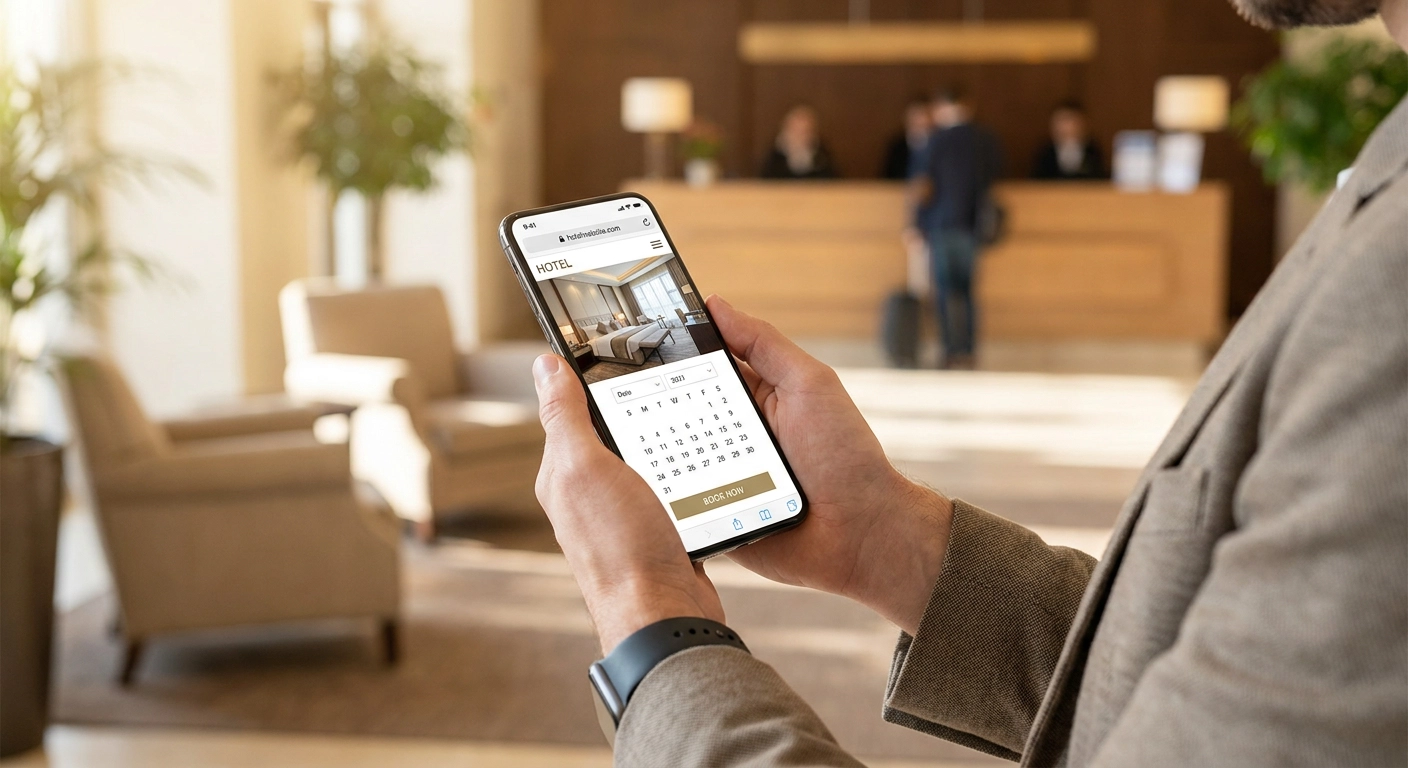
Today, nearly 70% of travel searches happen on mobile devices, and more than half of hotel bookings are completed directly from smartphones.
This means a simple reality: if your website doesn’t work perfectly on mobile, you lose most guests before they ever see your rooms, winery, or menu.
In previous episodes, we talked about how guests find you on Google, how well your website sells, and how search engines “read” it. Now we’ve arrived at the moment when a guest opens your page on their phone — on the road, in a cafe, at the airport, or in bed in the evening.
This is exactly where the decision happens.
If the site loads slowly, is inconvenient, or looks unsafe, the guest leaves the session within seconds.
5 Reasons You Lose Mobile Guests
1 — A Slow Mobile Site
According to Google data, 53% of mobile users abandon a site that takes more than 3 seconds to load. But the reality is even harsher: 73% of hotel websites take more than 2.5 seconds to load their main image (LCP). (WebsiteSpeedy, 2025)
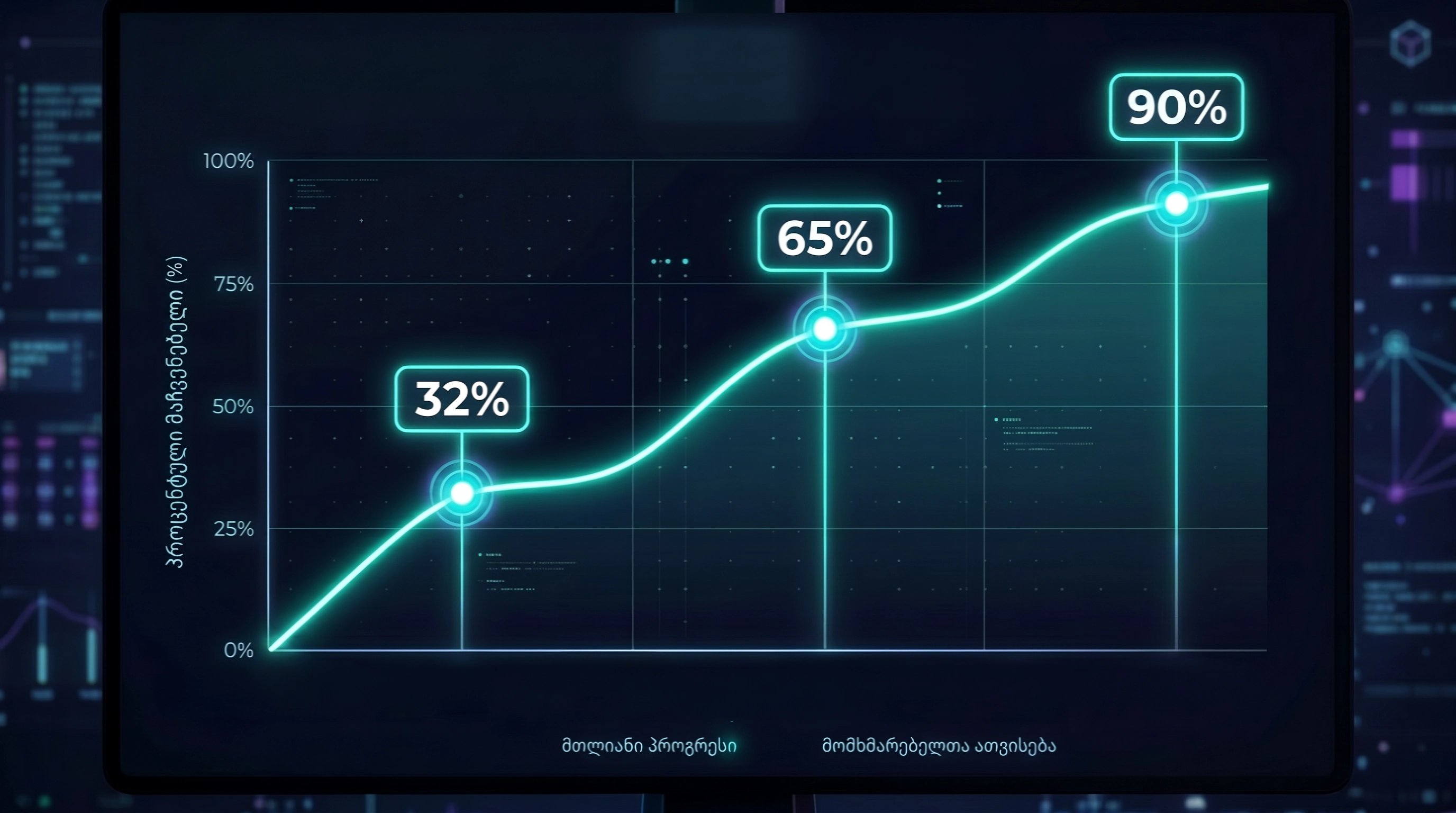
Even a 0.1-second improvement in site speed increases revenue by approximately 1%, while increasing load time from 1 to 3 seconds raises the bounce rate by 32%. At 5 seconds, this figure already reaches 90%.
Simply put: if the guest is waiting, they’re not booking.
2 — A Site Built for a Mouse, Not a Thumb
Mobile traffic today accounts for approximately 62% of hotel website visits, yet mobile conversion is almost twice as low as desktop (1.4% on mobile vs. 2.9% on desktop). (SiteMinder, 2026)
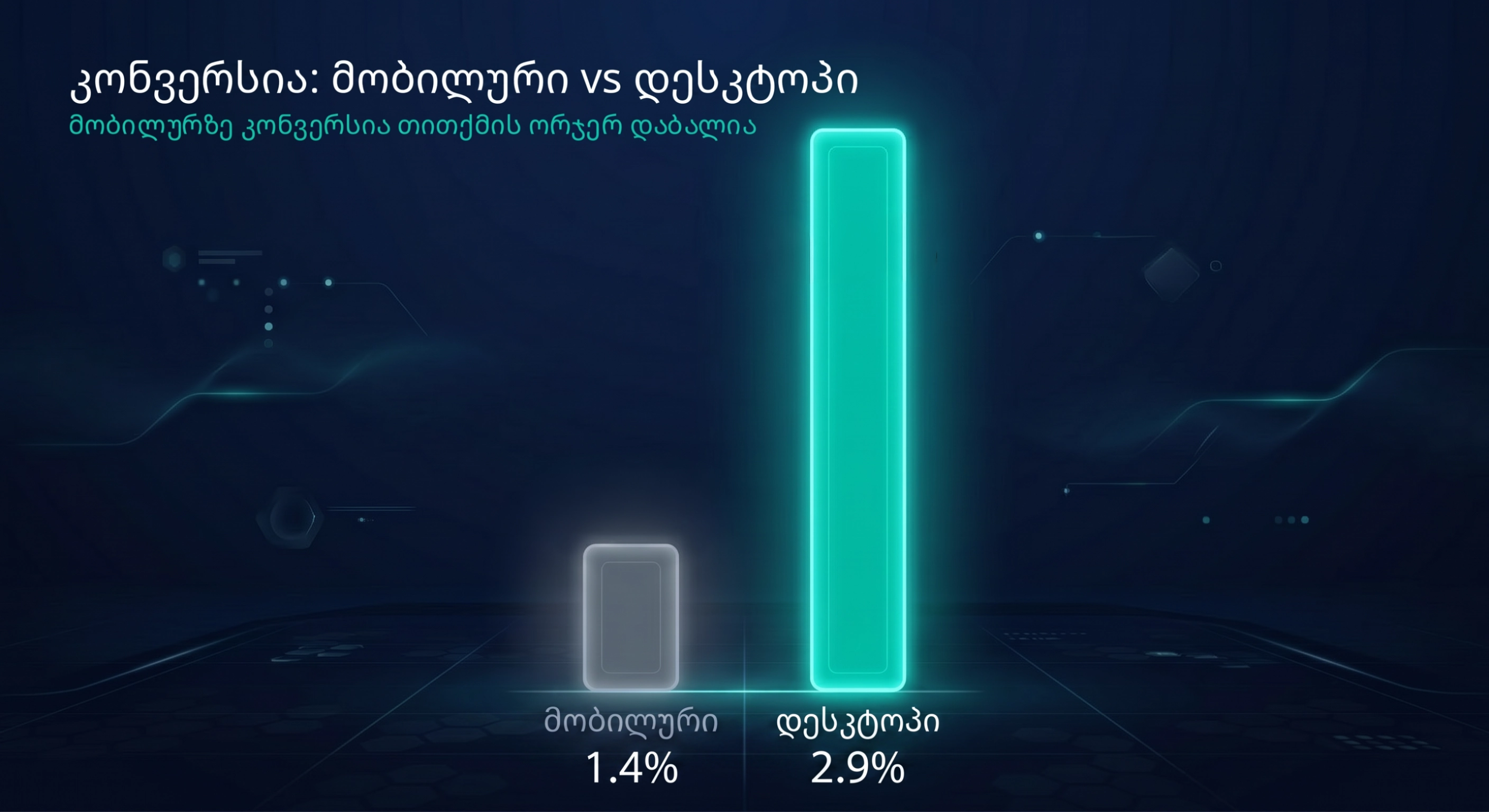
Why? Because a mobile version is not just a “shrunk desktop.” If buttons are small, text is hard to read, or zooming in is required to book, the guest chooses an alternative.
This is especially important considering that 70% of last-minute bookings are completed on mobile devices.
In 2026, a good mobile experience means:
- ✓ Large and clear buttons
- ✓ A one-handed booking process
- ✓ Thumb Navigation-friendly design
- ✓ Fast payment methods like Apple Pay and Google Pay
The fewer barriers, the higher the chance of receiving the booking.
3 — SSL: A Site Your Browser Flags as “Dangerous”
The padlock icon in the browser goes unnoticed by many. Its absence, however, is obvious to everyone.
If a site doesn’t run on HTTPS, browsers warn guests directly: “Not Secure.”
At that moment, user trust practically disappears. A guest who sees a security warning will almost never enter their bank card details — no matter how attractive your hotel, winery, or restaurant is.
In the digital world, trust is often broken just seconds before a booking.
4 — A Price That Only Appears at the Last Step
Mobile users are particularly sensitive to unexpected costs. If the final price, additional fees, or conditions only appear at the last stage of booking, trust is quickly lost.
At that point, a large share of users go to OTA platforms (e.g. Booking.com) to double-check the price — and frequently don’t come back.
Transparency isn’t just about user comfort — it directly affects conversion.
5 — A Deficit of Trust and Social Proof
When a guest enters your official website, one question arises: “Can I trust this business?”
Real photos, Google or TripAdvisor reviews, security badges, and guest experiences directly influence the decision. Research shows that websites which prominently display such trust signals sell 23–31% better. (TravelBoom, 2025)
Trust is no longer just an emotional factor — it’s one of the main drivers of conversion.
The Paradox and Your Golden Opportunity
Today, a significant share of travelers begin their hotel search directly on OTA platforms. Yet research shows that 18% of them still visit the hotel’s official website before making a final decision.
They are looking for:
- ✓ A better price
- ✓ More information
- ✓ Additional benefits
- ✓ Direct communication
This is your golden opportunity.
If at this decisive moment your mobile site is fast, simple, and secure, the booking stays with you.
💡 HIT Hub Observation:
Direct bookings are significantly more profitable and valuable for the business. Statistically, with a direct booking you retain 95.82% of the amount paid by the guest, whereas through OTA channels this figure drops to 82.06% due to commissions. Moreover, direct bookings are more stable — they are cancelled only 10.6% of the time, while 21.8% of OTA bookings are cancelled.
Hotels often spend thousands on advertising, when in reality the problem lies in the last 30 seconds — the moment a guest tries to book on their phone. That ’s why growing direct bookings is often not about finding new guests, but about improving existing digital channels.
Simply put: if you lose the guest on their phone, even a top Google ranking won’t save you.
Before another guest closes your website in frustration, check how fast, simple, and secure your digital experience really is.
Sources: WebsiteSpeedy 2025 · SiteMinder 2026 · TravelBoom 2025